

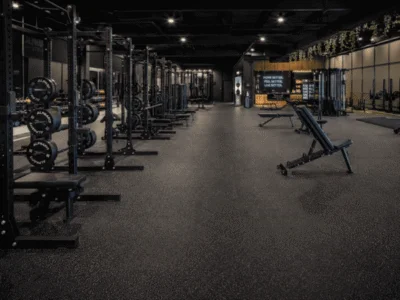
Whether you’re building a home gym, personal training studio, fitness centre, or commercial gym, selecting the right flooring is one of the most important decisions you’ll make. The right flooring not only protects your subfloor and equipment but also improves safety, comfort, and overall workout performance.
Among the many flooring options available, rubber flooring remains the preferred choice for both home and commercial gym environments. Its durability, shock absorption, slip resistance, and long lifespan make it ideal for a wide range of fitness activities.
In this guide, we’ll explore the different types of rubber flooring, thickness recommendations, and key factors to consider when choosing the best rubber flooring for your gym.
Why Rubber Flooring Is the Preferred Choice for Gyms
Rubber flooring has become the industry standard for gyms because it offers exceptional performance under demanding conditions.
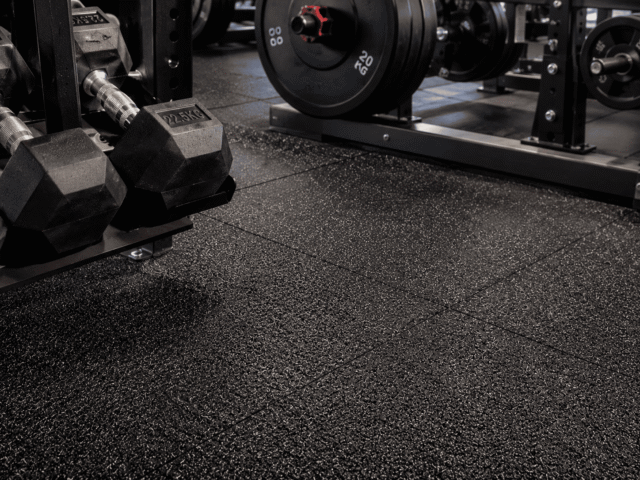
Durability and Impact Resistance
Gym floors are exposed to constant wear from heavy equipment, free weights, cardio machines, and foot traffic. Rubber flooring is specifically designed to absorb impact and protect the subfloor from damage.
This makes it an ideal solution for:
- Weightlifting areas
- Functional training zones
- Commercial fitness centres
- Home gyms
Safety and Slip Resistance
Safety is a priority in any fitness environment. Rubber flooring provides a slip-resistant surface that helps reduce accidents during workouts.
Its cushioned texture also provides greater comfort underfoot compared to hard surfaces such as concrete or tiles.
Noise Reduction and Floor Protection
One of the biggest benefits of rubber flooring is its ability to absorb noise and vibration.
This is particularly important in:
- Apartment gyms
- Garage gyms
- Multi-level fitness centres
- Shared commercial spaces
Types of Rubber Flooring for Gyms
Different gym environments require different flooring solutions.
Rubber Tiles
Rubber tiles are modular flooring pieces that are easy to install and replace individually.
Benefits include:
- Easy maintenance
- Custom layouts
- Multiple colour options
- Suitable for home gyms
Rubber Rolls
Rubber rolls provide seamless coverage across large areas.
Advantages include:
- Professional appearance
- Fewer visible seams
- Excellent durability
- Ideal for commercial gyms
Interlocking Rubber Mats
Interlocking mats are popular for home gyms and temporary workout spaces.
Benefits include:
- DIY-friendly installation
- Easy relocation
- Budget-friendly solution
Home Gym vs Commercial Gym Flooring Requirements
The flooring requirements for a home gym differ significantly from those of a commercial facility.
Home Gym Flooring
Most home gyms benefit from:
- 8mm–10mm rubber flooring
- Interlocking mats or tiles
- Moderate impact protection
- Easy installation
Commercial Gym Flooring
Commercial facilities typically require:
- 10mm–15mm+ flooring
- Rubber rolls or heavy-duty tiles
- High durability
- Enhanced shock absorption
What Thickness Rubber Flooring Do You Need?
Choosing the correct thickness is essential for performance and protection.
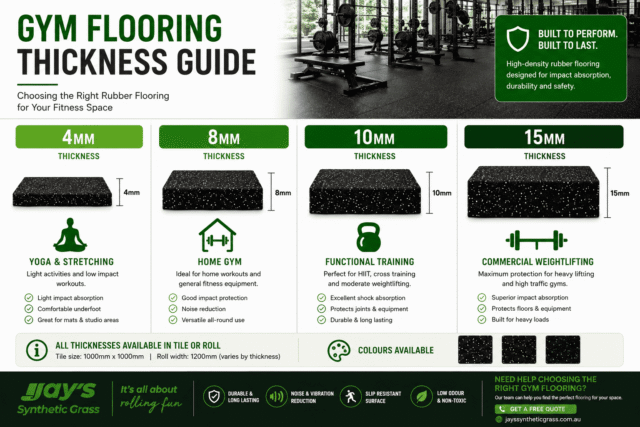
4mm–6mm Flooring
Best for:
- Yoga studios
- Light cardio equipment
- Low-impact training
8mm–10mm Flooring
Best for:
- Home gyms
- Functional training
- Multi-purpose fitness rooms
15mm+ Flooring
Best for:
- Commercial gyms
- Weightlifting zones
- CrossFit facilities
- Heavy free-weight areas
Factors to Consider When Choosing Rubber Flooring
Material Quality
Higher-quality rubber flooring typically offers better durability, appearance, and longevity.
Durability
Choose flooring designed for your expected traffic levels and workout intensity.
Appearance
Modern rubber flooring is available in a range of colours, textures, and finishes to suit both residential and commercial settings.
Maintenance Requirements
Rubber flooring requires minimal maintenance and can usually be cleaned using regular sweeping and occasional mopping.
Rubber Flooring vs Foam Flooring vs Vinyl Flooring
| Feature | Rubber Flooring | Foam Flooring | Vinyl Flooring |
|---|---|---|---|
| Durability | ✅ Excellent | ⚠️ Moderate | 👍 Good |
| Impact Protection | ✅ Excellent | 👍 Good | ❌ Low |
| Weightlifting | ✅ Excellent | ❌ Poor | ❌ Poor |
| Maintenance | ✅ Low | ✅ Low | ✅ Low |
| Lifespan | ✅ Long | ⚠️ Medium | ⚠️ Medium |
How to Maintain Rubber Gym Flooring
Maintaining rubber flooring is simple and helps maximise its lifespan.
Recommended maintenance includes:
- Regular sweeping
- Damp mopping
- Immediate spill cleanup
- Avoiding harsh chemicals
- Routine inspections
With proper care, quality rubber flooring can perform for many years in both home and commercial environments.
Professional Rubber Flooring Installation in Perth
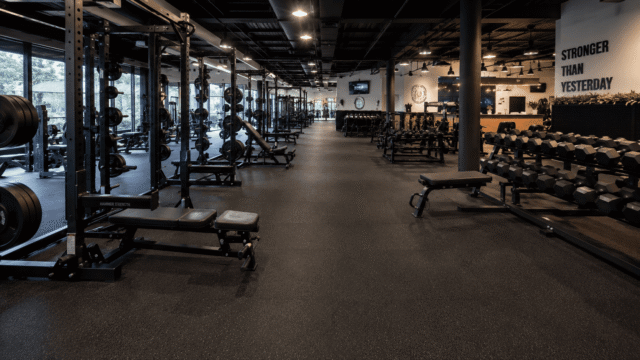
At Jay’s Synthetic Grass, we supply and install premium rubber flooring solutions for home gyms, fitness studios, schools, and commercial facilities throughout Perth.
Whether you’re creating a compact home workout space or fitting out a large commercial gym, our team can recommend the ideal flooring solution to suit your needs and budget.
Ready to upgrade your gym flooring?
Contact Jay’s Synthetic Grass today for expert advice and a free no-obligation quote.
FAQs
Rubber flooring is widely considered the best option due to its durability, comfort, and floor protection capabilities.
For most home gyms, 8mm–10mm flooring is sufficient. Commercial gyms often require 10mm–15mm or thicker flooring.
Yes, Rubber flooring offers long-term durability, safety, and equipment protection, making it a cost-effective solution.
Yes, Most rubber flooring systems can be installed directly over properly prepared concrete surfaces.


